How pages are checked

Editorial Methodology

The methodology is built for Philippines search intent: mobile-first use, e-wallet checks, crypto transfer records, social-channel risk, and visible trading risk.

Risk note: Trading financial instruments involves a high risk of losing capital. Editorial Methodology is informational only and does not provide financial, legal, or tax advice.

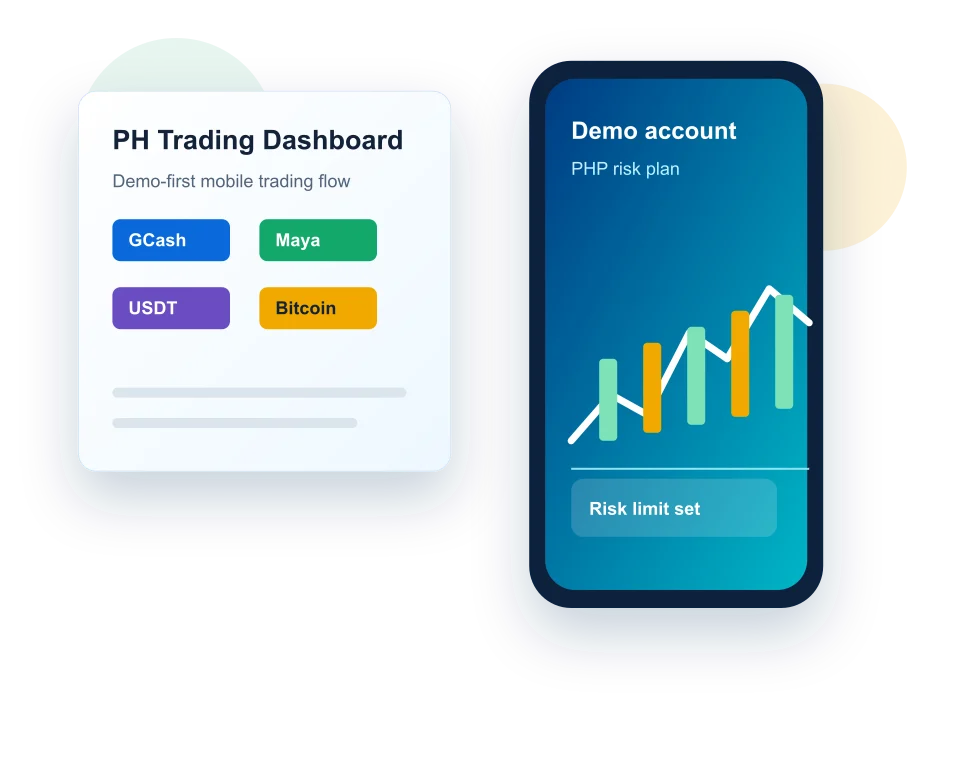
Mobile trading dashboard mockup with GCash, Maya, USDT and Bitcoin payment context
Published: 2026-05-29 Updated: 2026-05-31 Fact checked: 2026-05-31

Written by

Patricia Dela Cruz

Quezon City Trading Risk and Editorial Standards Reviewer based in Quezon City.

Patricia Dela Cruz owns the first draft and local examples for Editorial Methodology.

Risk review Risk disclosure Affiliate transparency Corrections and standards
View author profile

Risk reviewed by

Rafael Reyes

Cebu E-Wallet and Withdrawal Records Editor based in Cebu.

Rafael Reyes reviews Editorial Methodology for capital-loss wording, service restrictions, payment uncertainty, and affiliate disclosure.

GCash and Maya checks GrabPay and online banking USDT and Bitcoin records Withdrawal documentation
View reviewer profile

Editorial accountability

What was checked

  • For Editorial Methodology, Patricia checks the policy page for correction paths, source priority, privacy boundaries, and role limits.
  • Commercial links on Editorial Methodology remain marked sponsored and nofollow.
  • Corrections for Editorial Methodology use dated sources and visible update records.

Pocket Option Philippines Methodology

What Filipino users should know first

Each page starts from a user task: compare the platform, practise demo, check the app, verify payment routing, prepare withdrawal records, or understand risk before funding.

Payment and service facts are treated as time-sensitive. If a method is not visible in the current account cashier, the page does not claim it is available for every Filipino user.

The review process removes fake licenses, guaranteed income, assured withdrawal timing, old screenshots used as proof, and regional wording copied from non-Philippines pages.

Detailed guidance

Editorial Methodology: Practical Checks

For Editorial Methodology, the checks below focus on the decision a Filipino user actually has to make before moving to the next step.

Accountability

  • Editorial Methodology gives the practical Philippines checks that matter before a user moves from research to an account, payment, app, or trading activity.
  • For Editorial Methodology, the useful details are who owns the topic, how claims are checked, and where corrections go.
  • Editorial Methodology should make limits visible instead of using badges or vague authority claims.

Source priority

  • For Editorial Methodology, current official terms, account screens, provider records, and regulator context outrank old videos, screenshots, comments, and copied pages.
  • When Editorial Methodology covers uncertain availability, the content should say what the user must verify, not pretend certainty.
  • For Editorial Methodology, sensitive account data should not be sent to this site.

Reader boundary

  • Do not use Editorial Methodology to assume availability, suitability, profit, safety, or withdrawal certainty without current source verification.
  • Editorial Methodology does not provide personal financial, legal, tax, investment, or account-recovery advice.
  • For Editorial Methodology, use the contact page only for editorial corrections and source updates.

Useful trust details

How This Page Helps Readers Decide What to Trust

Editorial Methodology turns policy language into practical checks for source review, corrections, privacy, and advice boundaries.

Source Priority

Current official terms, account-screen wording, provider records, and regulator context outrank affiliate pages, old screenshots, copied tutorials, and social-media comments.

Update Triggers

Payment method changes, app-source changes, service-restriction updates, regulator advisories, broken links, and reader corrections trigger review of affected pages.

Claim Handling

If a claim cannot be verified, it is softened, removed, or rewritten as something the user must check in their own current account screen.

Practical playbook

Verification Steps

This is the operational layer behind the page: what to verify, what to record, when to stop, and which mistake would make the search harmful instead of useful.

Source check

Start from the current official website or account screen before acting. Old videos, copied screenshots, Telegram instructions, and Facebook comments are not enough evidence for a money decision.

Eligibility check

If current terms restrict your location, stop. A guide can explain research steps, but it should not encourage VPN workarounds, account misrepresentation, or payment routing that bypasses service rules.

Risk check

Write the planned amount in PHP, assume the whole amount can be lost, and ask whether the loss would affect rent, food, tuition, debt, remittance duties, or emergency savings.

Named ownership

A strong high-risk financial page should show who wrote it, who reviewed it, when it was checked, what sources were used, and how a reader can challenge a claim.

No fake authority

The site avoids fake licenses, invented regulation, guaranteed outcomes, and unverifiable expert claims. Trust is built through transparency and source discipline, not decorative badges.

Update trigger

Payment method changes, service-term changes, app-source changes, regulator advisories, or correction requests should trigger review of affected pages.

Reader-first limit

If a fact cannot be verified, the page should say so. Uncertainty is more useful than a confident claim that may push a reader into harm.

After reading

Reader Checkpoints

A useful high-risk financial page should leave the reader with concrete judgment, not just a keyword answer. These checkpoints define the usefulness standard for this guide.

Answer the main question

You should be able to explain the practical answer for Pocket Option Philippines Methodology without relying on an influencer, chat admin, or outdated screenshot. If the answer depends on current account screens, that uncertainty should remain visible.

Know the proof needed today

You should know which current evidence matters: official terms, account cashier, payment receipt, provider record, transaction hash, KYC request, support ticket, or regulator context depending on the task.

Choose the safest next page

The recommended next step is not always a sponsored click. For this topic, the next useful action is: After Editorial Methodology, read the checklist, compare the source notes, then follow the most relevant related guide before any payment or live trading step.

Recognize stop signals

You should know what not to assume: Do not use Editorial Methodology to assume availability, suitability, profit, safety, or withdrawal certainty without current source verification. Add OTP, MPIN, password, seed phrase, recovery-agent, and personal-account payment requests to that stop list.

Keep records before stress

You should know which records to save before there is a problem. Good records make support conversations clearer and reduce the chance of accepting unsafe shortcuts later.

Why trust this page

Visible Editorial Controls

These controls are shown on-page so the reader can judge accountability before following a payment, app, demo, or trading-related instruction.

Natural-person authorship

Patricia Dela Cruz covers this topic area from Quezon City: Risk review and Risk disclosure. The profile page explains scope, limits, topic ownership, and reviewed page types.

Risk review

Rafael Reyes checks the copy for capital-loss language, service restrictions, payment uncertainty, vulnerable-user risk, and affiliate disclosure.

Usefulness check

The page must answer the task directly, show the next useful internal link, and avoid unsupported promises about availability, results, or withdrawals.

Correction path

Readers can request updates with the page URL, exact claim, current source, screenshot context, and the date the source was checked.

Reader protection

YMYL Safeguards for Editorial Methodology

This page can influence money, privacy, app access, or account behavior. These safeguards show what can go wrong and what the reader should do before acting.

Policy usefulness

Trust pages are only useful if they explain what the reader can do with the information.

Use source hierarchy, correction route, privacy boundaries, and author profiles.

No fake authority

Bad E-E-A-T often invents credentials or regulation.

Show natural-person responsibility without claiming adviser, regulator, broker, or recovery status.

Reader control

A reader should know how to challenge a claim.

Provide contact route, evidence format, and update triggers.

Trust ledger

Claims We Do and Do Not Make

This ledger is designed to prevent vague E-E-A-T signals. It states the boundary behind claims that could affect money, eligibility, privacy, or trading behavior.

Claim area Boundary Reader action
Local authorization This guide does not claim local authorization unless a current operator or regulator source proves it. Check current official terms and regulator context before account action.
Payment availability GCash, Maya, GrabPay, online banking, USDT, and Bitcoin are treated as account-screen checks, not permanent promises. Verify your own cashier route, fees, limits, and withdrawal implications.
Trading outcome No page promises income, typical profit, safe trading, or guaranteed withdrawals. Assume the full deposit can be lost and use demo before live exposure.
Affiliate relationship Commercial links may earn compensation and are marked sponsored/nofollow where appropriate. Use the disclosure, risk page, and current sources before clicking.
Editorial accountability Named author roles explain scope and boundaries without claiming fake credentials. Open profiles and correction pages if a claim matters to your decision.
FAQ

Editorial Methodology FAQ

Why not list every promotional claim?

Because high-risk trading content should prioritize verifiable user decisions over promotional pressure.

How often should facts be checked?

Payment, app, and regional access facts should be reviewed whenever source pages, account screens, or provider routes change.

What happens when evidence is weak?

The claim is softened, removed, or marked as something the user must verify in their own account screen.

High-risk product category

Trading can lead to full capital loss

Trading financial instruments involves a high risk of losing capital. Editorial Methodology is informational only and does not provide financial, legal, or tax advice. Verify current platform terms, payment availability, and local rules independently before acting.

Read risk disclosure
Demo Continue